
Bricklaying Services
Bricklaying in Killingworth
Two houses a mile apart in Killingworth can need completely different answers on bricklaying, because the town covers the older village at Killingworth Village and the earliest township phases as well as the extensive township housing built from the mid 1960s onward. Killingworth is a 1960s township built around a lake north of Newcastle, on land once worked by the colliery where George Stephenson was engineman.
Call 07854 366464Get a Free QuoteBricklaying done properly in Killingworth
More than 25 years of building work across the borough means we know which questions to ask on a Killingworth property before quoting, and the quote itself always arrives in writing.
Bricklaying Services
Our bricklaying in Killingworth cover
- Garden and boundary walls: foundations, brickwork, copings and piers built to last rather than to look right for a season
- Stonework and stone cladding: natural and reconstituted stone laid to match the surrounding work
- Making good: tidy joints, clean faces and a site left properly at the end of each day
- Repointing: raking out and repointing in a mortar mix suited to the wall rather than the strongest available
- Structural brickwork: load bearing walls, piers and openings formed to the approved details
- Brick matching: sourcing the closest available brick and proving the match before ordering the load
Local Knowledge
Local considerations for bricklaying in Killingworth
Killingworth falls under North Tyneside Council for both planning and building control, which is the practical starting point for bricklaying here. North Tyneside Council covers planning and building control, and on a system built or non traditional property a structural engineer is usually needed earlier in the process than on a standard cavity wall house. None of that is a reason not to do the work. It is a reason to establish the constraint before a design is finalised rather than after it has been drawn twice.
Ground conditions are the second thing we look at. The township was built over former colliery land and some of the 1960s construction used system built methods, so both the ground and the existing structure are worth checking before anything structural is opened up. On brickwork this shows up in the footing rather than the wall, and the footing is the part nobody sees and everybody regrets skimping on.
Property types vary across Killingworth more than the name of the town suggests. Around Killingworth Lake, Killingworth Village, Forest Hall you will typically find the older village at Killingworth Village and the earliest township phases, while further out there is the extensive township housing built from the mid 1960s onward. For bricklaying, the older stock generally needs a lime based or weaker mortar so the joint fails before the brick does, whereas the newer housing takes a standard modern mix. Township road layouts are wide and deliveries are straightforward, which keeps the programme predictable. None of this changes how we price, since every Killingworth job is quoted in writing after a visit, but it does change what goes on the van and how the week is planned.
Recent work
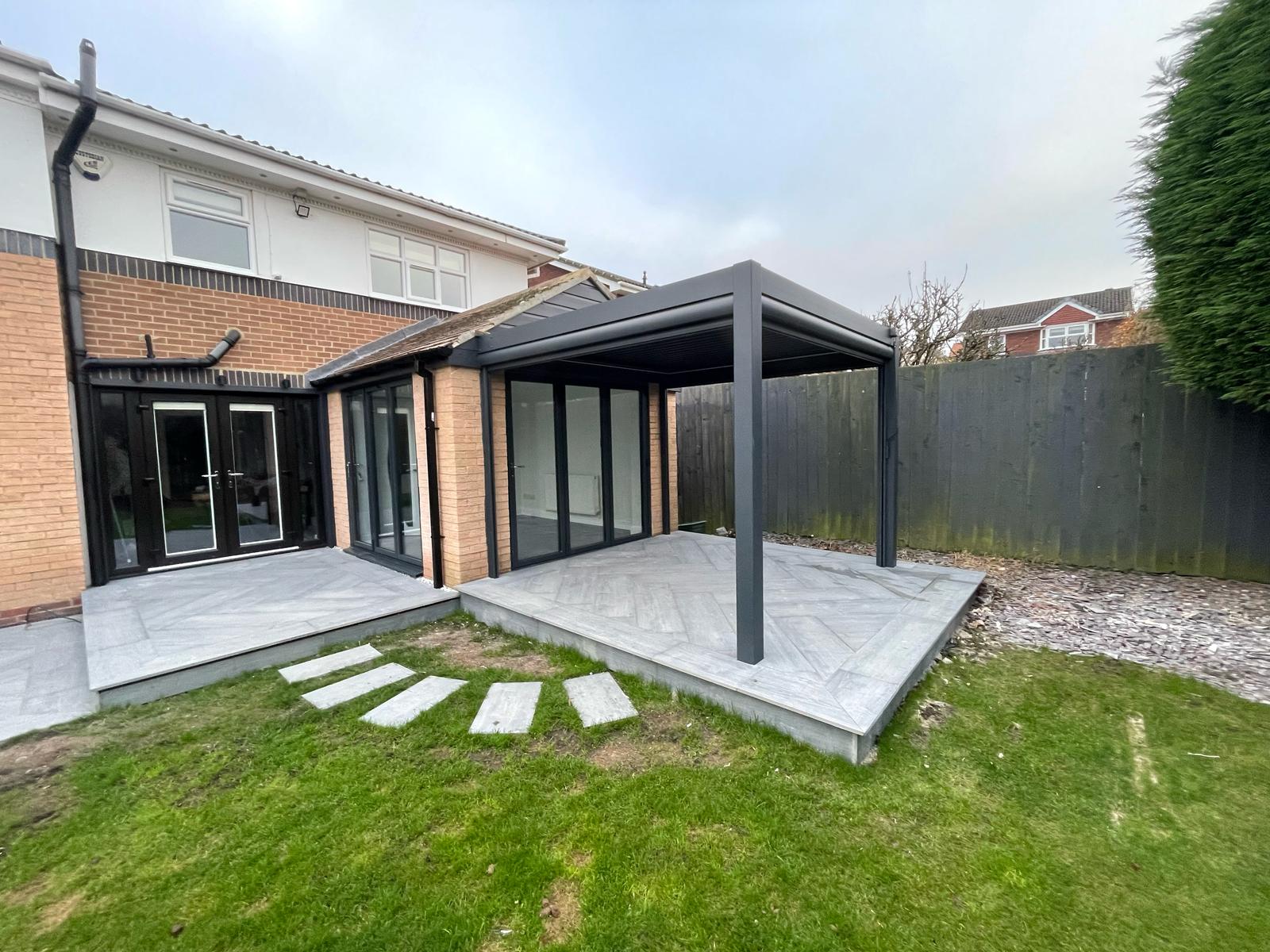
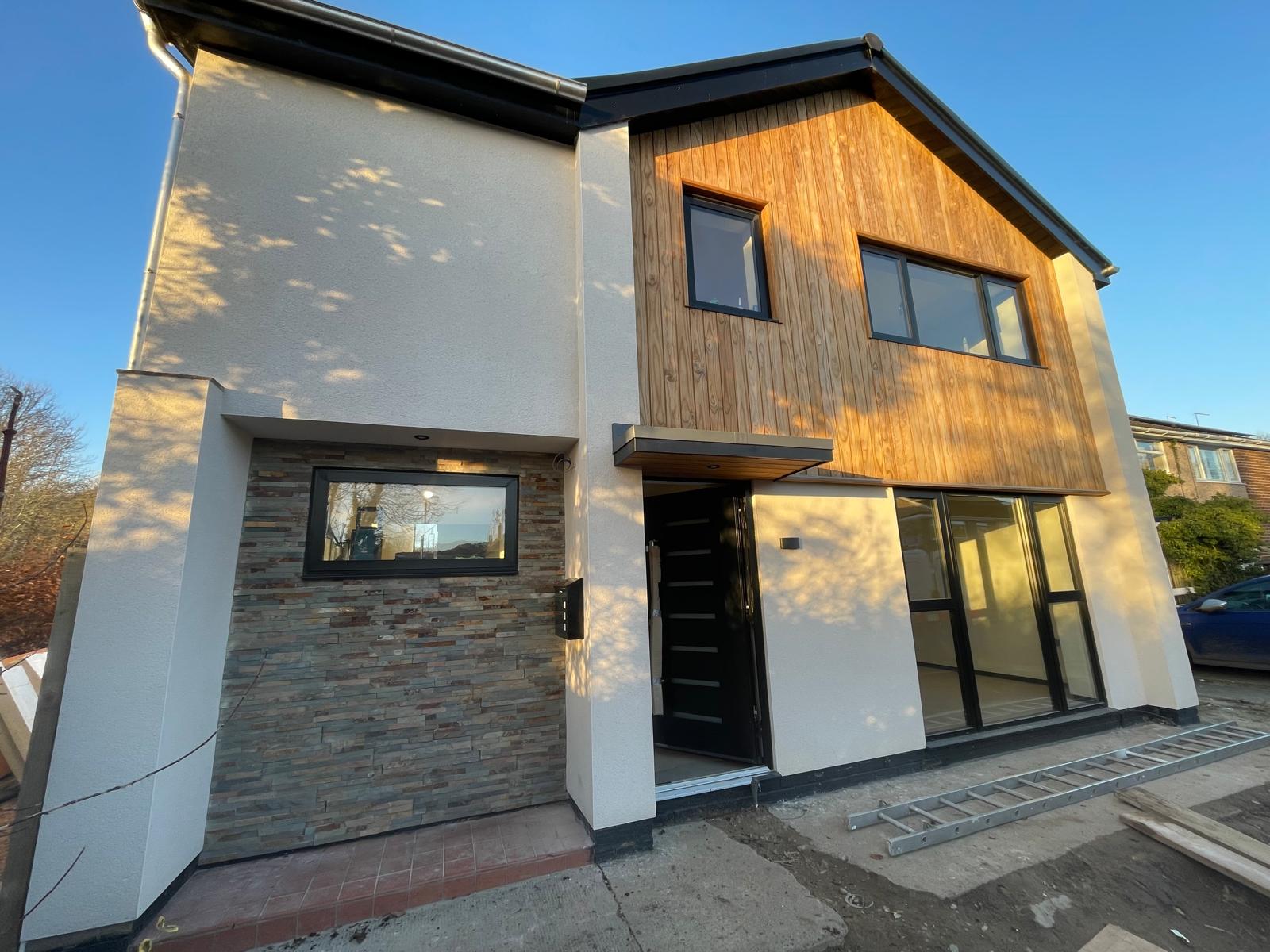
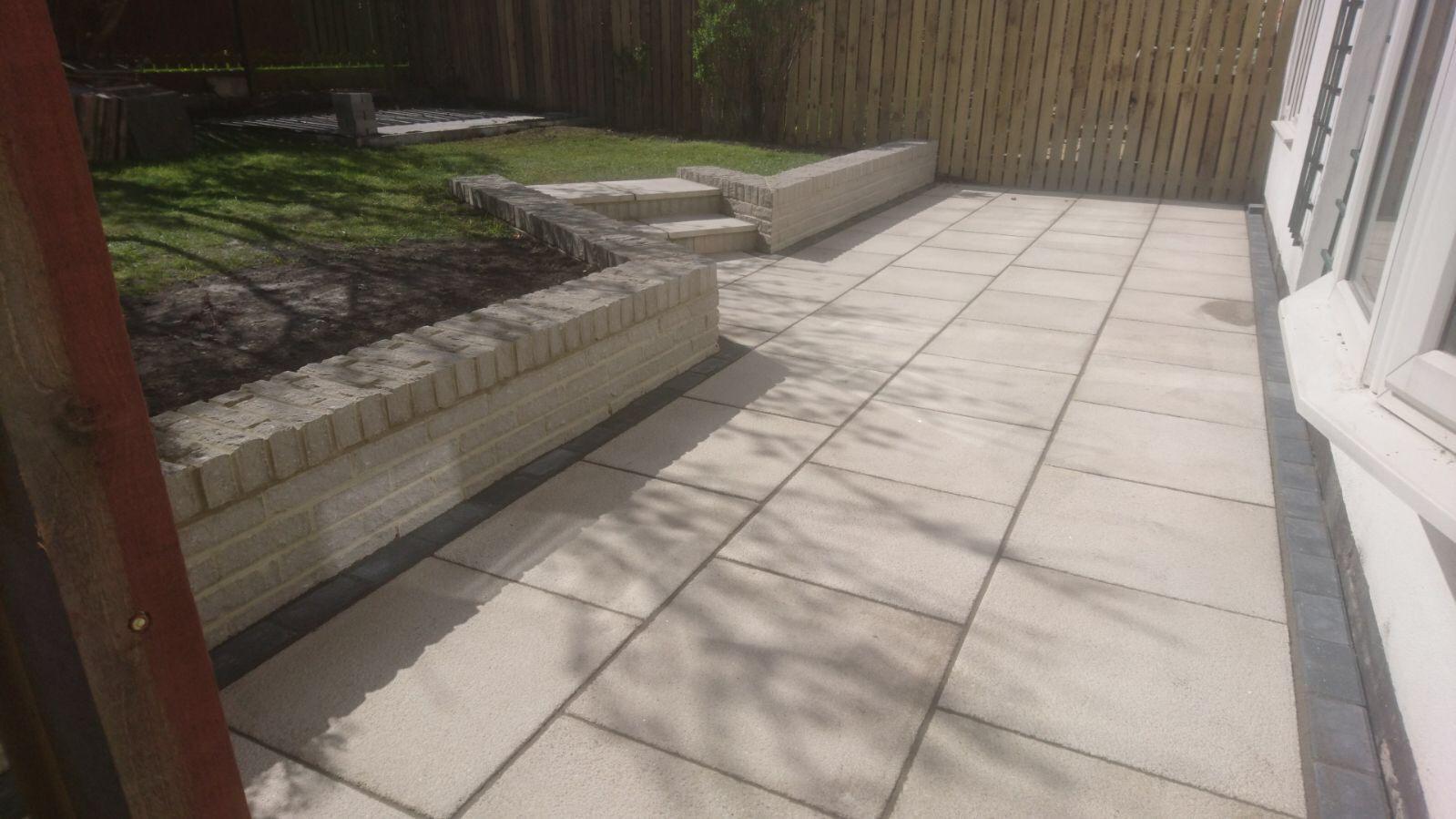
Our Approach
How we work in Killingworth
Site visit first
Every job starts with a proper look at the property. Quoting from a description alone is how a figure ends up changing halfway through.
A written quote
The quote arrives in writing with the scope set out, so you can see what is included rather than trusting a number said out loud.
Regulations handled
Most brickwork is a building regulations question rather than a planning one, but free standing walls have their own height rules at a boundary, and repointing a property in a conservation area can attract more scrutiny than the same job on the next street.
Kept informed
We keep you updated as the work goes on rather than disappearing for a week. It is the least complicated part of building work and the part most often done badly.
Frequently Asked Questions
Bricklaying in Killingworth: your questions
How long does repointing a wall take?
A single elevation on a typical house is usually a matter of days rather than weeks, though weather has a real effect because pointing should not be carried out in frost or in heavy rain.
How high can I build a garden wall without planning permission?
As a general rule a wall up to two metres is permitted, dropping to one metre where it adjoins a highway used by vehicles or a footpath beside one. Different limits apply to listed buildings and some conservation areas, so it is worth confirming before the foundation goes in.
Do garden walls need foundations?
Yes. A wall without an adequate foundation will move, and on clay ground it will move noticeably within a couple of winters. The foundation depth depends on the wall height and the ground it is sitting on.
Are there any planning restrictions I should know about in Killingworth?
Possibly, depending on exactly where the property sits. North Tyneside Council covers planning and building control, and on a system built or non traditional property a structural engineer is usually needed earlier in the process than on a standard cavity wall house. If your property is affected, the design is shaped around that from the start rather than revised afterwards.
Can you match the existing brick on my house?
We take a sample and source the closest available match before ordering. On Victorian and Edwardian property an exact match is rarely available, so the joint profile and mortar colour do a lot of the work in making the new blend with the old.
What sort of properties do you carry out bricklaying on in Killingworth?
All of them. Around Killingworth Lake and Killingworth Village the stock is mostly the older village at Killingworth Village and the earliest township phases, and further out Killingworth has the extensive township housing built from the mid 1960s onward. The right approach depends far more on the age and construction of the individual property than on the town.
Do ground conditions in Killingworth affect bricklaying?
They can. The township was built over former colliery land and some of the 1960s construction used system built methods, so both the ground and the existing structure are worth checking before anything structural is opened up. We raise it at the quote stage rather than after the digger arrives, so you know whether an investigation or an assessment is likely to be needed.
Which council handles bricklaying applications in Killingworth?
Killingworth comes under North Tyneside Council for both planning and building control. That is where a building regulations application is made and where the inspector who signs the work off comes from. Boundary wall height rules and, in conservation areas, mortar and joint specification is what they will be looking for.
Do you cover the areas around Killingworth as well, such as Longbenton and Wallsend and Cramlington?
Yes. Alongside Killingworth we regularly carry out bricklaying in Longbenton, Wallsend, Cramlington and across the wider North East, working from our base in Blaydon-on-Tyne.
Is your brickwork guaranteed?
Yes. Workmanship is guaranteed for an agreed period which we confirm in writing before starting.
Also covering near Killingworth
We carry out bricklaying across the surrounding area as well as in Killingworth itself.
Other building services in Killingworth
Whatever else the project needs, it is the same team and the same standard.
Planning bricklaying in Killingworth?
Get in touch and we will come and look. Every quote for bricklaying in Killingworth is written down, based on the actual property, and carries no obligation.
Call 07854 366464Request a Quote